We are closed on New Year’s Day, Memorial Day, July 4th, Labor Day, Thanksgiving, and Christmas Day.

Manténgase sano!
- Posted February 4, 2026
Ultra-Processed Foods Might Shorten The Lives Of Cancer Survivors
Beating cancer is no small feat, but a diet loaded with ultra-processed foods might undercut survivors’ future health, a new study says.
Cancer survivors with diets high in ultra-processed foods have a 59% higher rate of death from cancer, researchers reported today in the journal Cancer Epidemiology, Biomarkers & Prevention.
They were also 48% more likely to die from any cause over a 15-year follow-up, compared to survivors with the lowest intake of ultra-processed foods, researchers found.
“What people eat after a cancer diagnosis may influence survival, but most research in this population has focused only on nutrients, not how processed the food is,” said study leader Marialaura Bonaccio, a researcher in epidemiology and prevention at IRCCS Neuromed in Possilli, Italy.
“The substances involved in the industrial processing of foods can interfere with metabolic processes, disrupt gut microbiota and promote inflammation,” Bonaccio added in a news release. “As a result, even when an ultra-processed food has a similar calorie content and nutritional composition on paper compared to a minimally processed or ‘natural’ food, it could still have a more harmful effect on the body.”
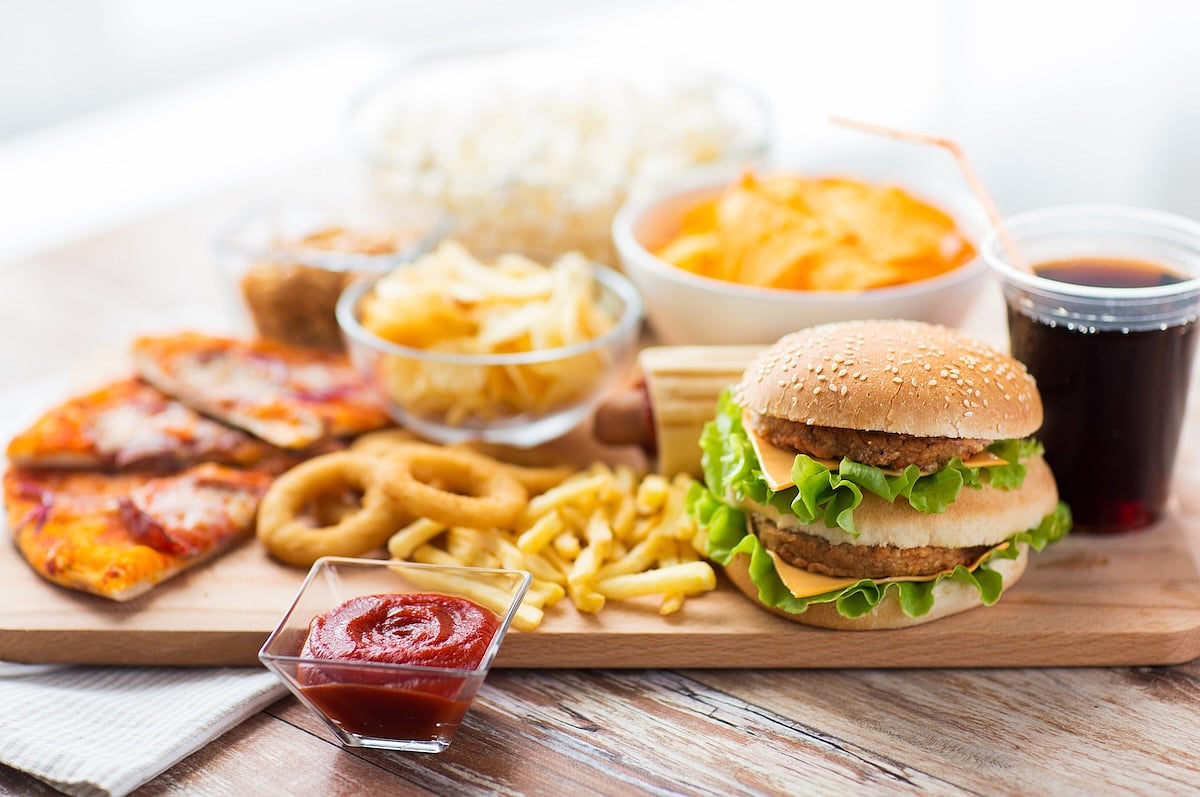
Ultra-processed foods are made mostly from substances extracted from whole foods, like saturated fats, starches and added sugars. They also contain a wide variety of additives to make them more tasty, attractive and shelf-stable.
Examples include packaged baked goods, sugary cereals, ready-to-eat or ready-to-heat products and deli cold cuts.
For the new study, researchers followed more than 800 Italian cancer survivors between March 2005 and December 2022. They were tracked for a median of 14.6 years, meaning half were followed longer, half for a shorter time.
All the participants had provided data on their eating habits, allowing researchers to estimate the amount of ultra-processed foods in their daily diet.
Results showed that people who ate the most ultra-processed foods were more likely to die during follow-up, compared to those who ate the least.
This association is partly explained by the foods’ effects on inflammation and heart rate, researchers said. Those factors accounted for 37% of the link between ultra-processed foods and death following cancer.
“These results suggest that increased inflammation and elevated resting heart rate may partially explain the link between higher consumption of ultra-processed foods and increased mortality, and help to clarify how food processing itself could contribute to worse outcomes among cancer survivors,” Bonaccio said.
Researchers said their results show that cutting back on ultra-processed foods overall and replacing them with whole foods can help a person’s health.
“The main message for the public is that overall consumption of ultra-processed foods matters far more than any individual item,” Bonaccio said. “Focusing on the diet as a whole and reducing ultra-processed foods overall and shifting consumption toward fresh, minimally processed, home-cooked foods is the most meaningful and beneficial approach for health."
She offered an simple guide for shoppers.
“A practical way to do this is by checking labels: Foods with more than five ingredients, or even only one food additive, are likely to be ultra-processed,” Bonaccio said.
More information
The Cleveland Clinic has more on ultra-processed foods.
SOURCE: American Association for Cancer Research, news release, Feb. 4, 2026


