We are closed on New Year’s Day, Memorial Day, July 4th, Labor Day, Thanksgiving, and Christmas Day.

Manténgase sano!
- Posted February 19, 2026
Ancient Chinese Practice Lowers Blood Pressure As Well As Medications, Walking Program, Clinical Trial Shows
An ancient Chinese mind-body practice can lower a person’s blood pressure as well as medication or a program of brisk walking, a new study says.
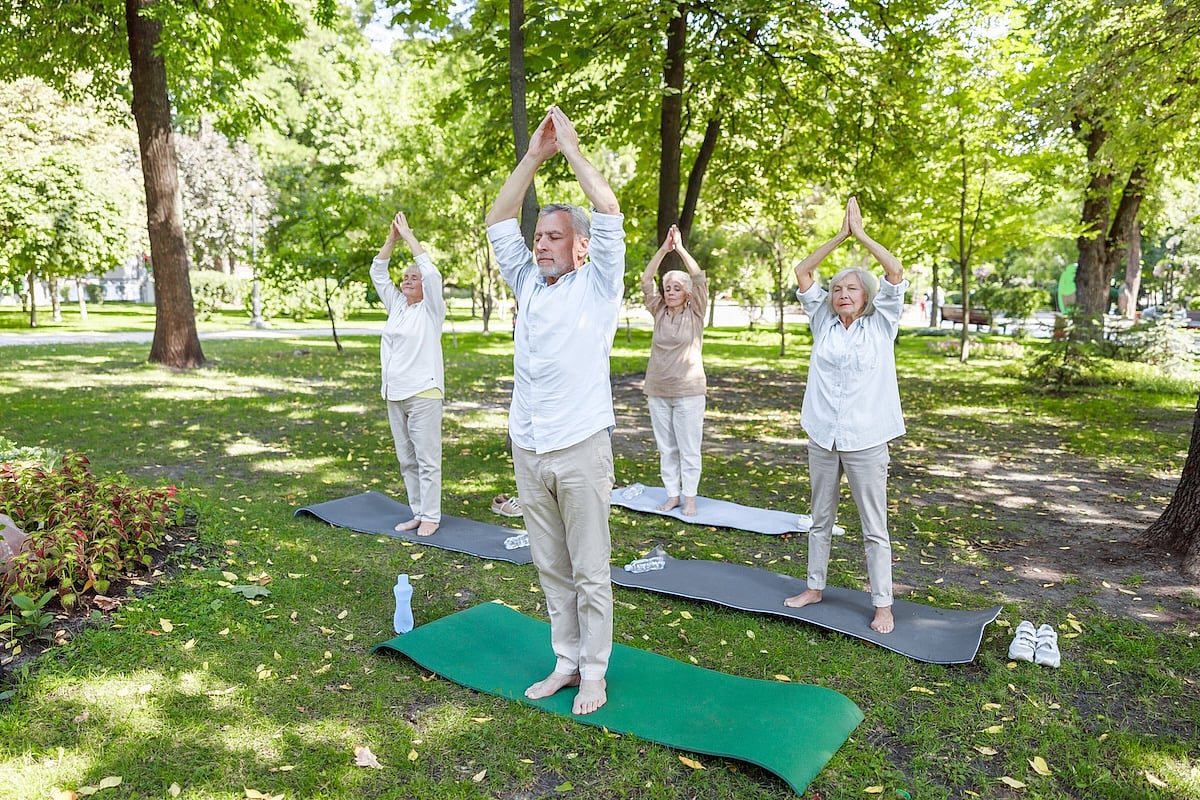
Baduanjin is a widely practiced eight-movement sequence that combines slow, structured movement, deep breathing and meditation.
The practice lowered people’s blood pressure by about 3 to 5 points, similar to benefits sustained by people asked to take up walking, according to clinical trial results published Feb. 18 in the Journal of the American College of Cardiology.
“Given its simplicity, safety and ease at which one can maintain long-term adherence, baduanjin can be implemented as an effective, accessible and scalable lifestyle intervention for individuals trying to reduce their blood pressure,” senior researcher Dr. Jing Li said in a news release. She’s director of preventive medicine at the National Center for Cardiovascular Diseases in Beijing, China.
For the new study, researchers recruited 216 people 40 and older with high blood pressure and randomly assigned them to one of three groups.
One group practiced baduanjin for about 15 minutes twice a day, at least five days a week.
Baduanjin is one of the most commonly practiced forms of qigong, and its movements are similar to those involved in tai chi. Its routine typically takes 10 to 15 minutes and requires no equipment with only minimal initial instruction, researchers said in background notes.
The second group briskly walked for 30 minutes a day at least five days a week. A third group was asked to do whatever physical activity they liked, with the aim of at least 150 minutes per week of moderate-intensity exercise.
Researchers tracked all participants’ blood pressure for a year to see which practice might yield the best results.
Baduanjin wound up reducing people’s 24-hour average systolic blood pressure readings by about 3 points, and doctor’s office-measured BP by about 5 points, the study said.
The results were comparable both to those found among the walking group and those expected from some front-line blood pressure meds, researchers said.
“The blood pressure effect size is similar to that seen in landmark drug trials, but achieved without medication, cost or side effects,” Dr. Harlan Krumholz, a professor at the Yale School of Medicine and editor of the JACC, said in a news release.
Baduanjin’s results also were much better than those of the self-directed exercise group, which showed scant improvements in BP.
“Baduanjin has been practiced in China for over 800 years, and this study demonstrates how ancient, accessible, low-cost approaches can be validated through high-quality randomized research,” added Krumholz, who was not involved in the study.
More information
Parkinson’s Community Los Angeles has more about qigong and baduanjin.
SOURCE: American College of Cardiology, news release, Feb. 18, 2026


